2025. A digital age where innovation happens by the minute.
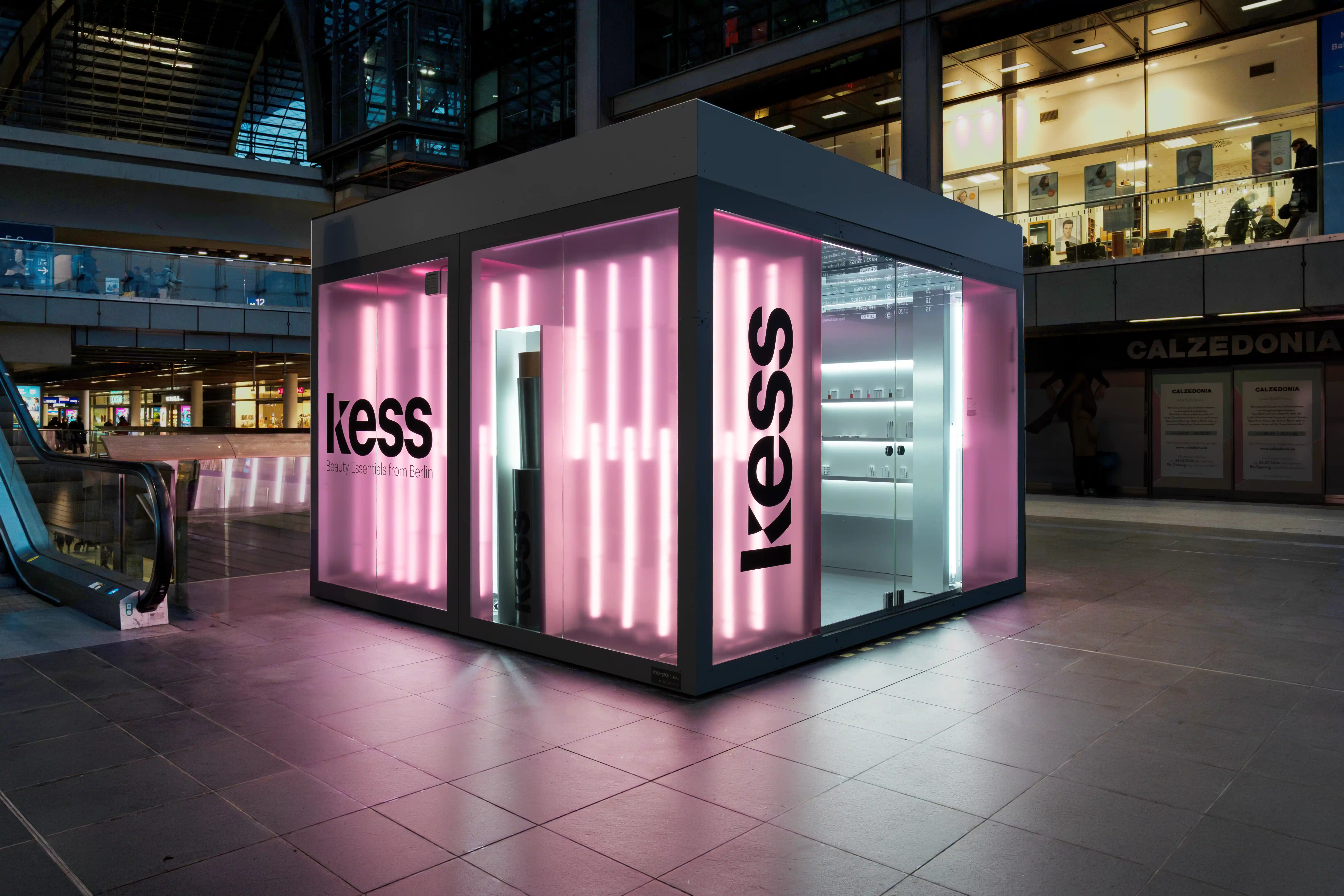
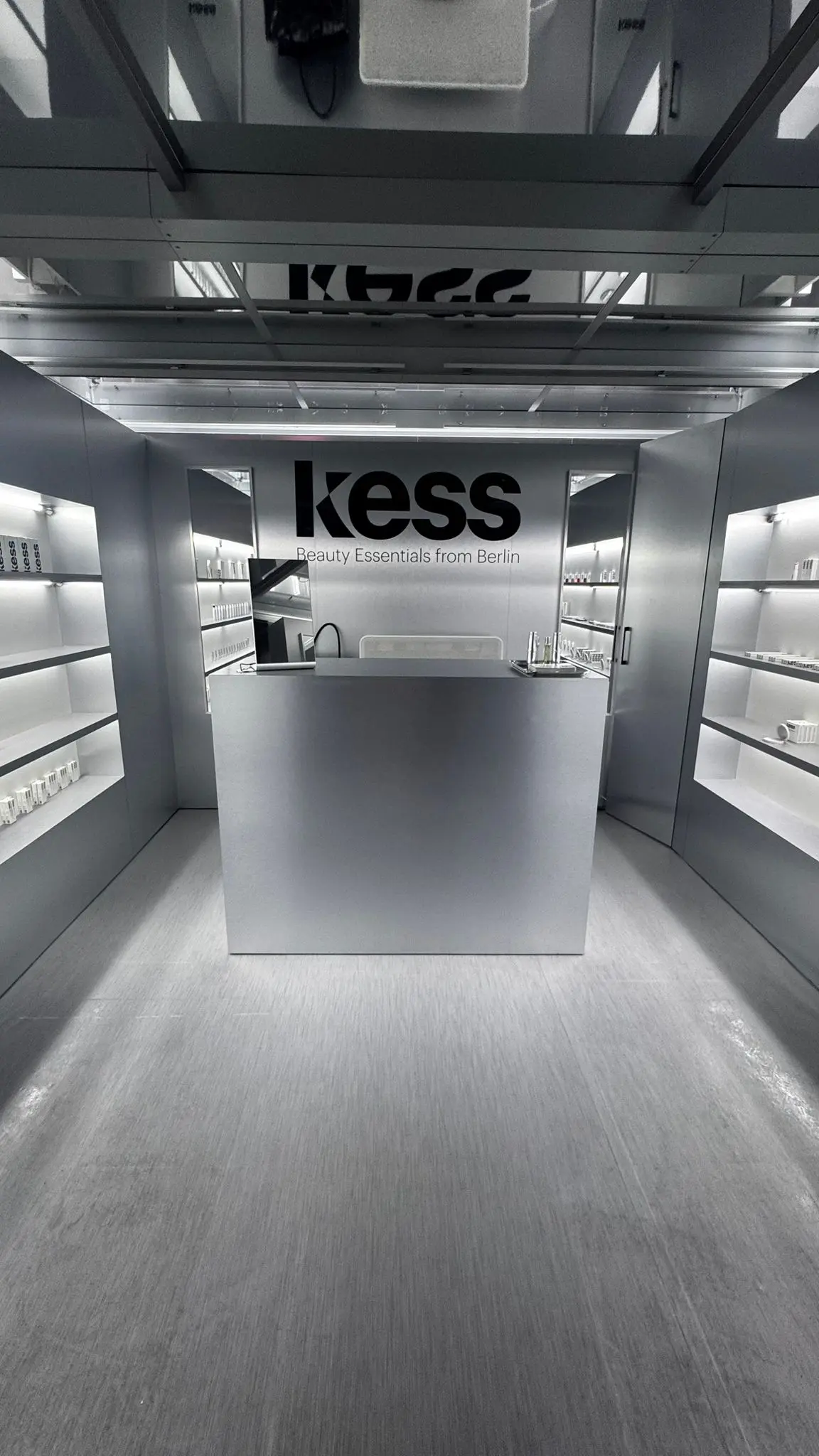
In a time of e-commerce, same-day delivery, and mobile shopping, it’s fair to question the relevance of physical retail spaces. The answer? They are not only relevant—they’re irreplaceable. Why? Because no online shop can create real experiences, generate a sense of closeness, or bring together recipients and consumers—at least not in the way that brand activations in retail can.
What Exactly Are Brand Activations in Retail?
Let’s start with the basics. Retail refers to commerce or in-store sales—the focus of this article. Brand activations are initiatives that bring a brand to life—through temporary actions, physical experiences, or creative formats directly within the store environment.
In the retail context, brand activations can include:
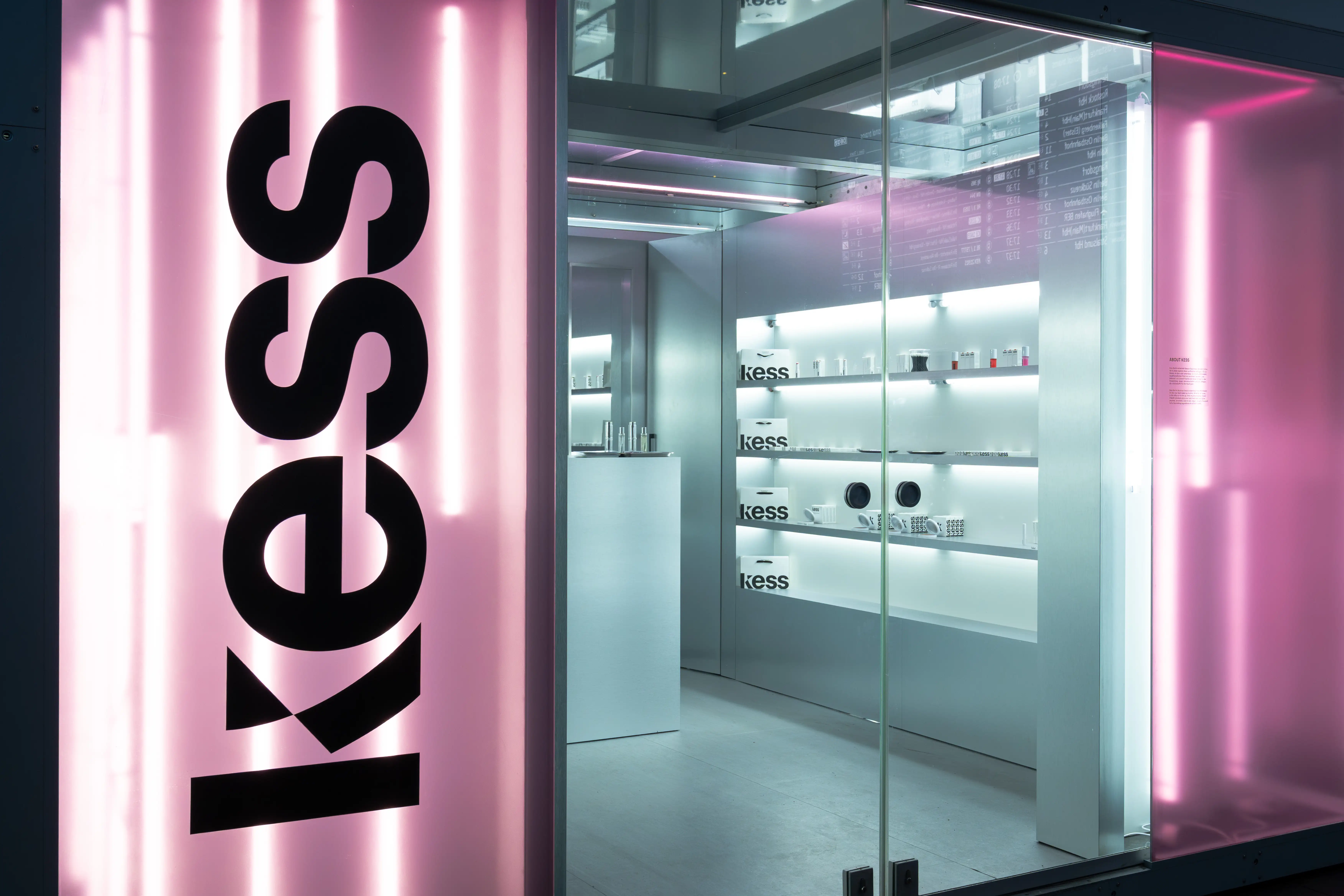
- Pop-up spaces in large shopping centers or concept stores
- Launch events for new collections or products
- Workshops, talks, or live activations right in-store
- Brand collaborations, e.g., with local artists, creators, or other brands
- Community-driven campaigns, such as customers designing window displays or voting on products for a limited edition
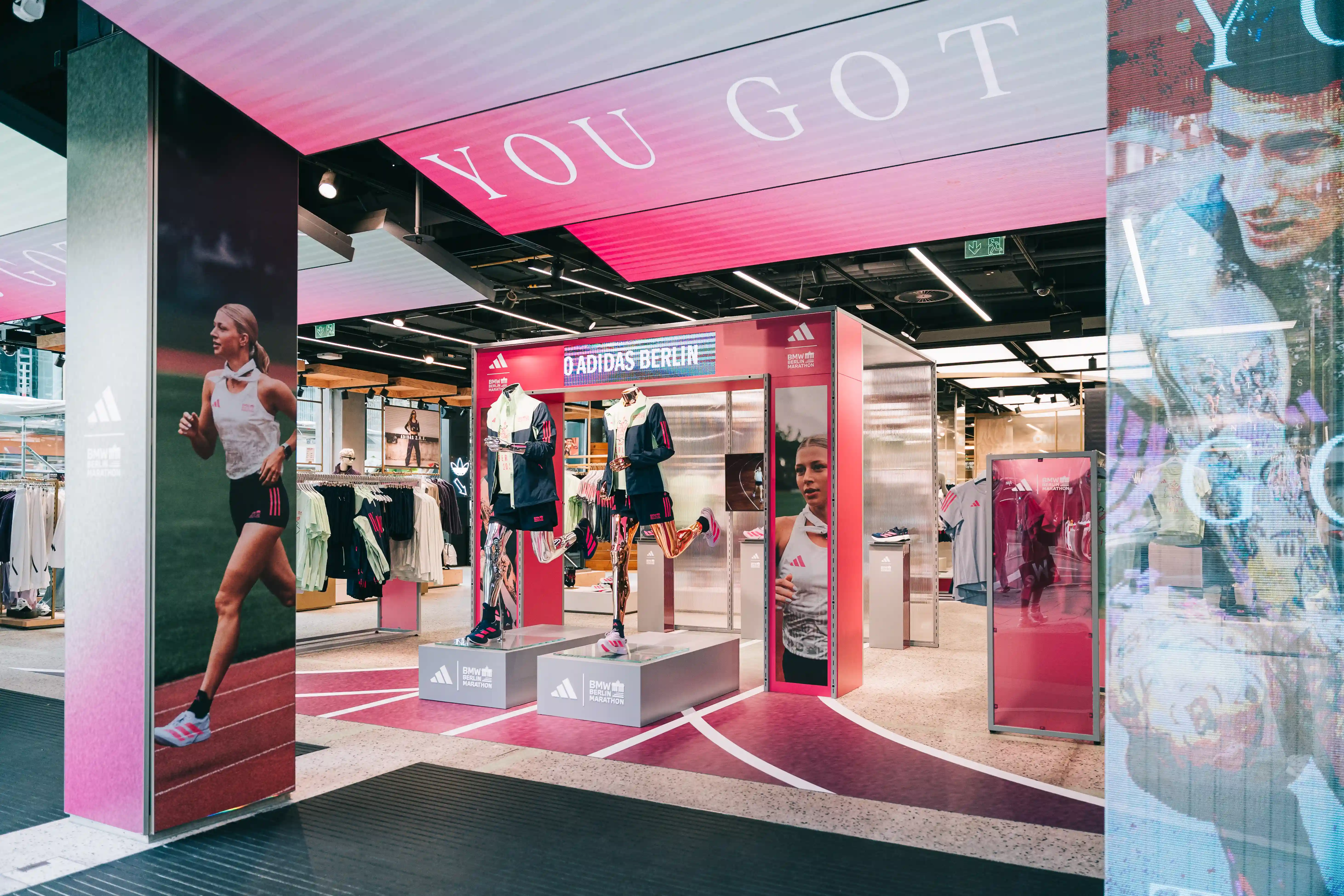
- Running clubs or brand-led sports groups that foster community spirit and shared goals
These activations aim to create emotional engagement with customers. The goal isn't just to drive sales, but to encourage participation and connection.
Why Brand Activations Are So Effective in Retail
A physical store offers something online shopping never can: presence, which translates to community and multisensory experiences.
Experiencing a product—touching it, smelling it, testing it—deepens the emotional connection between the customer and the brand. Adding to that several retail-specific advantages:
- High visibility and foot traffic: Effective brand activations turn passersby into curious visitors—and ideally into loyal community members. Not every activation has a digital counterpart, which makes the in-store experience feel unique and irreplaceable.
- Store as a stage: The retail space becomes a branded world—with curated sound, lighting, staff, and storytelling. Everything reflects the brand’s DNA and message, giving visitors a clear sense of what the brand stands for and how they personally fit into it.
- Measurable interactions: In-store participation can be tracked via QR codes, social shares, or event sign-ups. This allows physical traffic to become digitally usable. When visitors share their experience, it inspires others to visit, join in, and become part of the community.
Why Communities Are So Valuable in Retail
Retail thrives on repeat customers, not just one-time purchases. That’s where community building becomes a strategic advantage and a modern necessity.
- They’re more loyal: People who feel part of a brand community return more often—without needing discounts or sales.
- They bring others along: Whether through word-of-mouth, joint visits, or shared social content, communities are multipliers. They increase reach and boost brand credibility.
- They give feedback: Communities offer real-time, authentic feedback. They are a sounding board for which products are missing or which activations are resonating.
- They foster connection: Not just with the brand, but also with one another. A strong community brings together people with shared values, lifestyles, and interests. This builds emotional belonging and transforms a store into a social space—not just a place to shop. It becomes a destination people visit simply to connect and feel good.
- They turn staff into community members: Store employees are often the most direct link to the community. They listen, advise, and create a sense of being seen and understood. A strong, well-informed team can make the brand-community connection tangible and build long-term trust.
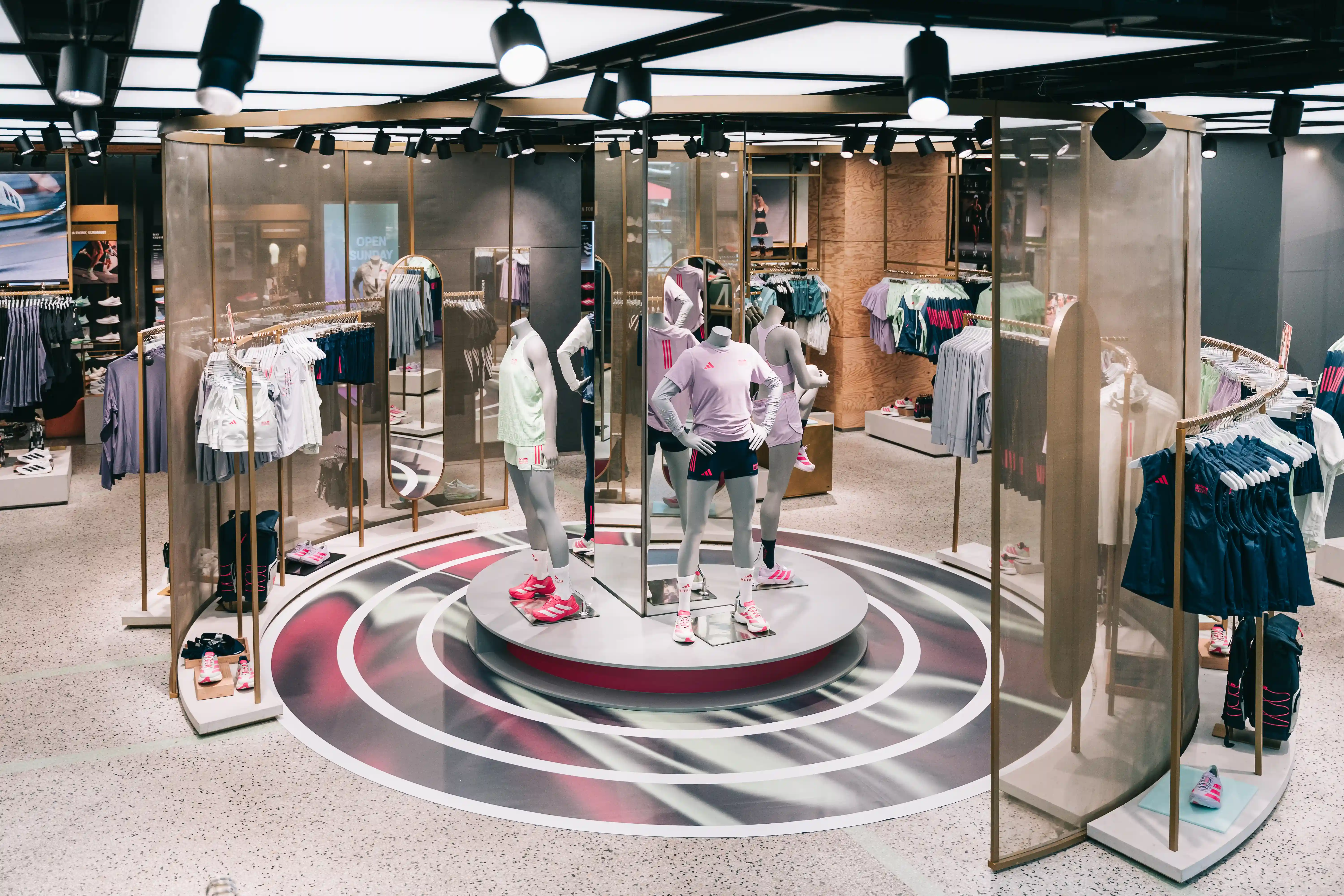
Examples of Community-Building Measures in Retail
- Member events in-store: Early access to collections, meet & greets, or after-work shopping sessions
- Loyalty programs offering real experiences, not just discounts
- Local partnerships with startups, artists, or sports clubs
- Co-creation campaigns where customers decide which products enter the assortment or vote for a community favorite to become a limited edition
Conclusion:
Retail + Community + Experience = The Future of Commerce
Retail is not dying—it’s transforming. From sales floor to meeting place. From product display to brand storytelling. From customer acquisition to community care. Brand activations are the key to this transformation. And communities are the driving force behind it.
Today, brands have the opportunity to enhance traditional retail activations with modern tech and create even more immersive experiences. Especially after years of pandemic-related store closures, the desire for something new, different, and diverse is stronger than ever.
Those who skillfully combine experience + emotion + engagement turn retail spaces back into what they were always meant to be: vibrant, social, and inspiring places.
These places gain a unique identity—one that contributes directly to the brand's DNA and performance.
A final reminder:
A store is not just a space for sales. It’s a stage for experiences and a platform for real customer relationships.
Often, your target audience and existing community will tell you exactly what they need—if you’re willing to listen. And when customers are included in processes, they’re far more likely to stay.
Participation leads to loyalty—and can positively amplify how your brand is perceived from the outside.


